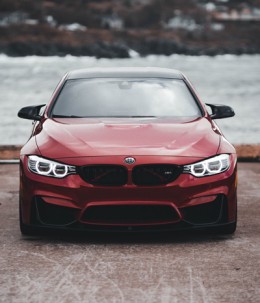

















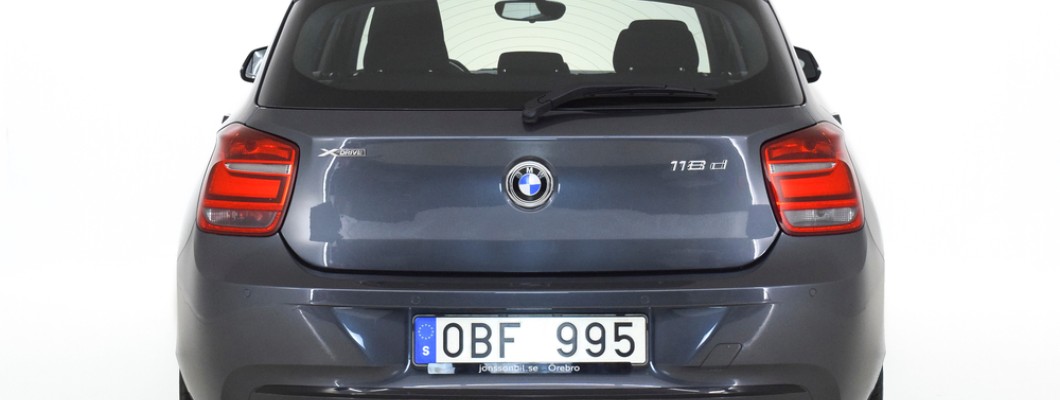
The BMW F20/F21 1 Series has a strong case as a future modern classic. It offers something many buyers still want: compact hatchback practicality, a premium BMW feel and the sort of styling and trim differences that make certain examples stand out more as the years go by. If you are searching for BMW F20 future classic, BMW F21 future classic or BMW 118d future classic, the short answer is this: the best-kept, best-specced cars are already more interesting than average used hatchbacks.
That does not mean every F20 or F21 will become collectible. Condition, trim, service history, mileage, originality and specification still matter far more than the badge alone. But as a shape, the F20/F21 generation sits in a sweet spot for buyers who want a BMW 1 Series that still feels modern without losing the appeal that made these cars popular in the first place.
Quick answer:
- Yes, the BMW F20/F21 1 Series could become a future classic — especially clean, well-maintained, well-specced examples.
- M Sport and tidy original cars are often more desirable than tired or heavily modified examples.
- Trim and year matter when buying parts, because bumpers, grilles and related fittings can differ between versions.
Why the BMW F20/F21 still matters
The F20 and F21 cars are appealing because they balance everyday usability with a more premium feel than many ordinary hatchbacks. They are practical enough to live with, but still have the styling, cabin feel and BMW identity that make them feel a step above simple transport.
That matters now because not every older hatchback ages well. Some just become old used cars. Others keep a stronger identity, especially when buyers can still see what made them attractive when new. The F20/F21 sits much closer to that second group.
What makes a BMW F20/F21 more desirable today?
Not every example is equal. When people talk about a future classic, they are usually thinking about cars with some or all of the following:
- Good service history and evidence of proper maintenance
- Clean bodywork and original-looking exterior trim
- Desirable trim levels, especially cars that look sharper without being overdone
- Unmodified or lightly modified condition
- Well-kept interiors and stronger overall presentation
In simple terms, buyers are usually drawn to cars that still look like someone cared about them. A tired example with mismatched parts and poor cosmetic condition is far less likely to feel special than a clean, honest car with the right spec.
Why trim level matters
Trim plays a big part in how desirable a BMW 1 Series feels. Some buyers prefer the cleaner, subtler look of SE-style cars, while others are much more interested in the sportier appearance of M Sport versions. That difference matters for ownership, resale appeal and parts fitment.
It also matters when damage needs repairing. A sharper-looking trim can use different bumper styling, trim pieces and related front- or rear-end parts, so it is worth checking the exact version of the car before ordering anything.
Is the BMW 118d a future classic too?
The BMW 118d is part of the same story. It may not be the rarest or flashiest version, but a clean 118d in the right specification still makes sense to buyers who want a practical 1 Series with strong day-to-day usability. In reality, a well-kept car with the right trim often matters more than choosing the “headline” model.
That is why some 118d, 120d and M Sport examples feel more special than others: not because of one badge alone, but because the overall car is right.
Why this matters when buying body parts
For owners and repairers, the future-classic angle is not just about collectability. It is also about keeping the right cars looking correct. On the BMW 1 Series, details such as front bumpers, rear bumpers, grilles and trim-specific fittings can vary depending on year, trim and styling version.
That means you should always check:
- F20 or F21
- SE or M Sport
- earlier vs later styling
- exact year and fitment details
Get those details wrong and a part may not match the look or mounting points you expect.
Useful BMW 1 Series parts links
If you are restoring or repairing a BMW 1 Series, start with the broader category pages first, then narrow down to the exact version you need.
- Browse BMW 1 Series bumpers and headlights
- View all BMW bumpers and headlights
- See a BMW 1 Series F20/F21 SE front bumper
- See a BMW 1 Series F20/F21 M Sport rear bumper
- See a BMW 1 Series F20/F21 kidney grille
What to check before buying an F20/F21 1 Series
- Look at the overall condition before getting distracted by trim badges.
- Check whether the exterior parts still match the car’s year and trim properly.
- Be cautious with heavily modified or poorly repaired examples.
- Check service history, mileage story and general upkeep.
- If you are buying replacement parts, verify the exact fitment before ordering.
Frequently asked questions
Is the BMW F20/F21 1 Series a future classic?
It could be, especially in clean, well-maintained and well-specced form. The generation has enough identity and buyer appeal that the best examples already stand out more than average used hatchbacks.
Which BMW F20/F21 models are most desirable?
There is no single answer, but buyers are usually drawn to clean, original examples with strong trim, good history and tidy bodywork. In many cases, condition and specification matter more than chasing one badge only.
Is the BMW 118d a future classic?
A good 118d can absolutely be part of the future-classic conversation. It may be a more practical choice than a halo version, but the right example still has real appeal if it is well-kept and correctly presented.
Do BMW 1 Series bumpers differ between trims?
Often, yes. SE and M Sport versions can use different bumper styling and related trim details, which is why year, trim and fitment checks matter when ordering parts.
Why should I match parts carefully on an F20/F21?
Because styling and fitment can vary between versions. Matching the exact trim and year helps you avoid ordering a part that looks wrong or does not fit as expected.
Final thought: the BMW F20/F21 1 Series is not interesting just because it is old enough to be nostalgic. It is interesting because the best examples still feel desirable now. That is usually the first sign that a car has a future beyond being just another used hatchback.
1 Comment(s)
True classic Amazing driving machine, among all the German cars driven in the last 25 years, 118D stands out.
Leave a Comment