



























Audi A4 Front Bumper Removal Guide (2019–2022 SE & S Line)
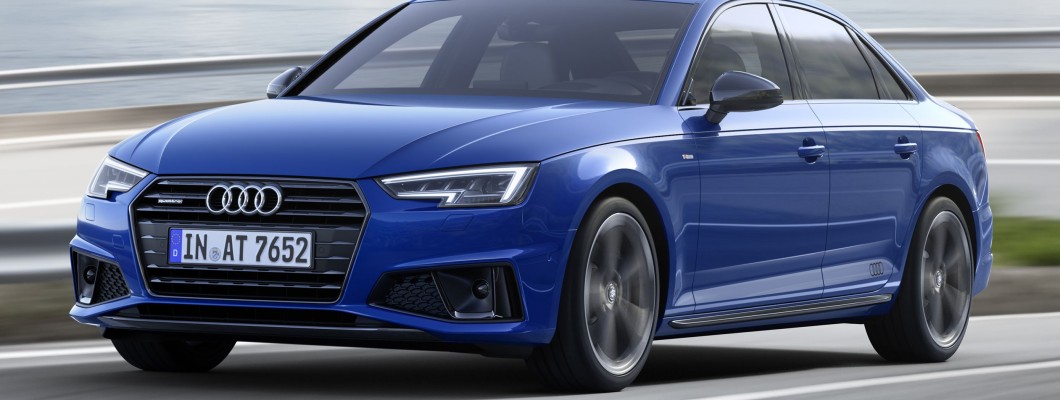
If you are tackling an Audi A4 front bumper removal on a 2019–2022 car, the job is usually far more manageable than it first appears. These facelift B9.5 models share a sensible front-end layout, but trim-specific grilles, air ducts, sensor openings and ADAS details are where the real fitment decisions live.
Looking for replacement parts before you strip the front end down? It pays to match the bumper, lower grilles and trim pieces before the old cover comes off.
Why the basic fit and removal is usually simple
On the facelift Audi A4 8W range, the shell-side mounting points are the easy bit. The bumper cover still meets the same front-end carrier, side guides and lower tray area within the same generation, so a like-for-like Audi A4 front bumper swap is normally straightforward. In practical terms, that means an SE bumper comes off in the same basic way as an S Line one.
The job becomes even easier when you are only removing the bumper for access, paintwork or sensor replacement. The usual routine is top fixings first, then the wheel arch liner fixings, then the lower undertray screws, before the cover slides forward out of the side retainers.
Where the differences hide
This is where a clean retrofit either looks factory or looks obviously pieced together.
- Centre grille and lower inserts: SE and S Line openings are different, so the lower trims are not usually interchangeable.
- Side grilles and fog light surrounds: even where there is no separate fog lamp, the side grille and trim shape differs by bumper style.
- Side air ducts: these can be trim-specific, especially when moving between standard and S Line bumper covers.
- Sensor openings: PDC hole count, camera provision and washer cut-outs need to match the car.
- Guide brackets and clips: worn or wrong retainers are one of the biggest reasons a freshly fitted bumper sits proud at the wings.
- Lower edge join: the undertray and wheel arch liner extensions can vary slightly depending on trim and spec.
If you are shopping for front-end styling parts, buy the bumper cover as a system rather than a skin in isolation whenever possible: cover, lower grilles, side trims, brackets and matching washer/sensor configuration.
Model year and trim checks that matter
- Stay within the facelift range: for this guide, think 2019–2022 facelift A4 only. Do not mix pre-facelift and facelift front-end parts.
- Match SE to SE or plan the full S Line trim list: an S Line bumper can fit, but only when the lower grilles, side trims and supporting plastics match it.
- Check body style by part number: Saloon and Avant often share the same front-end logic, but always confirm by VIN or stamped part number.
- Match sensor and washer spec: blank bumper, PDC bumper, washer-hole bumper and ADAS-equipped bumper are not the same purchase.
- Avoid S4 assumptions: S4 and more aggressive aftermarket conversions often need extra trim, ducting or bracket work.
Electronics and lighting considerations
A clean mechanical fit is only half of an Audi A4 bumper removal job. The electrical side needs the same attention.
- Parking sensors: usually transferable if the sensor count and mounting style match the replacement cover.
- Sensor holders: these are worth checking carefully, because broken tabs are common after prior repairs.
- Headlamp washer hoses and caps: if fitted, disconnect carefully and keep absorbent cloths ready.
- Ambient sensors or ancillary wiring: unplug before the bumper is fully pulled away.
- ADAS and ACC: if the vehicle has radar or driver-assistance hardware tied to bumper position, bumper removal, loosening or adjustment can trigger the need for a calibration check.
- Lighting trims: side grille, DRL or trim insert differences are often more important than the main cover itself.
What usually transfers
| Component | Reusable | Notes |
|---|---|---|
| Parking sensors (PDC) | Usually yes | Transfer only if hole count and mounting type are identical. |
| Sensor wiring loom | Usually yes | Inspect clips and connector locks before refit. |
| Centre grille | Sometimes | Usually not transferable between SE and S Line bumper styles. |
| Lower side grilles / fog light surrounds | No, across trims | Trim-specific pieces are one of the main visual differences. |
| Headlamp washer jets and caps | Yes, if equipped | The replacement bumper must have the same washer provision. |
| Absorber foam | Usually yes | Reuse only if undamaged and correctly seated. |
| Side guides / retainers | Sometimes | Replace if cracked, loose or if panel gaps were poor before removal. |
| Undertray and lower air guides | Sometimes | Check trim-specific air duct shapes before final assembly. |
| Tow-eye cover | Only with matching bumper | Usually bumper-style and paint-specific. |
Building the right parts and tools list
Parts worth having ready
- Correct Audi A4 front bumper cover for 2019–2022 facelift model
- Matching centre grille and lower side grilles if trim is changing
- New bumper clips, expanding rivets and a handful of spare Torx screws
- Side retainers or bumper guides if the existing ones look worn
- Washer caps, sensor brackets or trim bezels if your replacement bumper is bare
- Touch-up paint or masking tape for edge protection during trial fit
Tools
- T25 and T30 Torx bits
- 1/4" ratchet with extension
- Trim clip pliers or a plastic trim tool
- Small flat screwdriver
- Trolley jack and axle stands or ramps
- Blanket, foam mat or padded stand for the removed bumper
- Magnetic tray for screws and clips
Audi A4 bumper removal guide: step-by-step
Step 1: Prepare the car and protect the paint
- Park on level ground, switch the ignition off and remove the key.
- Turn the steering to full lock for access, or remove the front wheels if you want maximum room.
- Apply masking tape to the wing edges and headlamp corners to avoid paint damage while the bumper slides out.
Step 2: Remove the upper fixings
- Open the bonnet and remove the lock-carrier cover or upper slam panel cover.
- Undo the visible top-edge Torx screws securing the bumper cover.
- Keep the screws laid out in order, as lengths can vary slightly by position.
Step 3: Free the wheel arch liner at both sides
- Pull back the forward section of the wheel arch liner.
- Remove the Torx screws and any expanding rivet or clip securing the bumper edge to the liner area.
- Locate the bumper-to-wing fixing hidden near the outer corner and remove it carefully.
Step 4: Release the lower edge and undertray
- Move under the nose and remove the screws along the lower bumper lip and undertray join.
- If fitted, separate any small lower air guides or trim pieces that stop the cover moving forward.
- Check both corners again before pulling; one missed lower screw is enough to crack a tab.
Step 5: Pop the bumper corners out of the side guides
- Support the corner of the bumper with one hand.
- Pull outward gently at the wing edge, then forward to release the bumper from the guide rail.
- Repeat on the opposite side. This is easier with a second person.
Step 6: Pull the bumper forward and disconnect electrics
- Ease the bumper forward only a few inches first.
- Disconnect the parking sensor loom, any side trim lighting connectors, and any other ancillary wiring.
- If fitted with headlamp washers, disconnect the hose carefully and plug it or wrap it immediately.
Step 7: Lift the bumper away
- Once all wiring and hoses are free, carry the cover away from the car.
- Place it face-up on a padded surface.
- Now transfer the grille, trims, sensor brackets, foam and other reusable items.
Step 8: Inspect before refit
- Check every mounting tab and clip point on the replacement cover.
- Inspect the side guides on the car for distortion, because poor guides create poor panel gaps.
- Do a dry trial fit of major trims before the bumper goes back on for good.
Reinstallation instructions
Refitting is the reverse order, but the sequence matters if you want factory-looking gaps.
- Transfer all reusable parts and confirm the new bumper matches your sensor, washer and trim specification.
- Offer the bumper up with a helper and reconnect all electrical plugs and washer hoses before fully seating it.
- Slide both corners into the side guides evenly. Do not force one side fully home before the other.
- Install the top screws loosely first, then the wheel arch screws, then the lower undertray screws.
- Check the bonnet, headlamp and wing gaps before fully tightening anything.
- Once aligned, tighten all fasteners evenly and refit the lock-carrier cover and arch liners.
- Test parking sensors, washer jets and any warning messages before road use.
Common pitfalls and how to avoid them
- Buying the wrong facelift state: 2019–2022 facelift parts only for this guide.
- Assuming SE and S Line lower trims interchange: they usually do not.
- Forgetting the side fixing: the hidden arch-side screw is the classic hold-up.
- Pulling the bumper off too quickly: always stop and disconnect the loom and washer hose first.
- Reusing damaged guides: cracked side retainers are a main cause of bumper corners popping out later.
- Skipping calibration awareness: on ADAS-equipped cars, bumper position can affect system alignment.
For similar jobs and more installation guides, it helps to compare trim-specific examples before you order parts or paint anything.
Costs, time and effort
- Removal and refit only: around 1.5 to 3 hours for a careful DIY job.
- Like-for-like used genuine bumper: typically about £200 to £450 for the cover, more if supplied complete with grille and trims.
- S Line conversion parts: often £350 to £900 once the bumper, lower grilles, side trims and extra brackets are added together.
- Paintwork: roughly £250 to £500 depending on colour, condition and whether blending is needed.
- Bodyshop labour: usually 2 to 4 labour hours for remove/refit, before paint and calibration.
- ADAS calibration check: allow extra budget if radar or driver-assistance alignment is required.
DIY difficulty: moderate. Not technically complex, but easy to get wrong if you rush the trim and alignment work.
FAQ
Is Audi A4 bumper removal difficult on 2019–2022 models?
No, not usually. The Audi A4 bumper removal process is methodical rather than complicated, provided you remove the top, arch and undertray fixings in the right order and do not forget the wiring.
Will an S Line front bumper fit an SE Audi A4?
Usually yes within the same facelift generation, but you normally need the matching S Line lower grilles, side trims and sometimes related brackets or ducts for a proper fit.
Can I reuse my parking sensors?
In most cases, yes. Reuse is fine when the sensor count, holder type and bumper openings match the replacement cover exactly.
Do I need calibration after removing the front bumper?
Possibly. If your car has ACC or other ADAS hardware affected by bumper position or adjustment, a calibration check is sensible after removal or refit.
Do I need a complete bumper or just a skin?
A skin can work for like-for-like replacement, but trim changes are smoother when you buy a more complete assembly with grille, lower inserts and matching brackets.
How long does this Audi A4 front bumper removal guide take in real life?
For most DIY mechanics, allow half a day if you are removing, transferring parts, checking fitment and reinstalling carefully.
Final thoughts
A successful Audi A4 front bumper job is less about brute force and more about matching the right facelift parts, handling the bumper clips properly and taking your time on the final alignment. If you are replacing a damaged cover or upgrading trim, source the full set of matching pieces first and the rest of the job becomes much easier.
Browse Audi A4 bumper and front-end parts here before starting the strip-down so you can compare trims, openings and complete assemblies properly.
For replacement parts and accessories visit: https://www.premiumcomponents.info/shop and for more installation help see our blog hub: https://www.premiumcomponents.info/blog
Leave a Comment