


























How to Remove and Replace a Ford Fiesta MK8 Front Bumper (2017–2022)
Working on a Ford Fiesta front bumper is usually straightforward
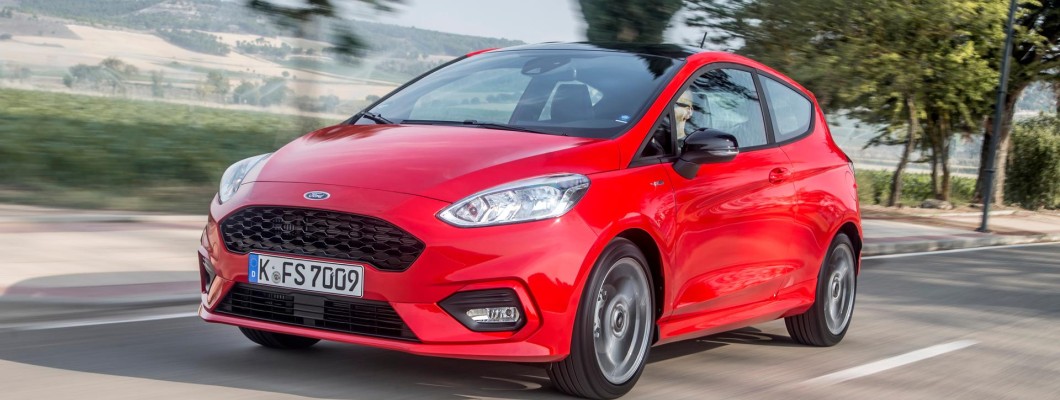
Removing or replacing the front bumper on a Ford Fiesta MK8 (2017–2022) is a common repair whether you’re fixing damage, fitting an ST-Line style cover, replacing sensors, or upgrading the grille. The key questions are: how does the MK8 bumper attach, which trims swap across, and what extra parts will you need for a factory-quality result?
Short answer: it’s usually straightforward. Long answer: match generation, facelift state and trim-related trims (fog surrounds, lower grilles, sensors) and prepare the right clips and brackets.
This guide covers MK8-specific fitment notes, where the hidden differences are, a practical step-by-step removal and refit guide, and troubleshooting tips so you avoid broken clips, misaligned gaps and sensor errors.
The content is targeted at Ford Fiesta MK8 (2017–2022) hatchbacks and estates, including Zetec, Titanium, ST-Line and Active trims. Fiesta ST performance bumpers use different ducts and should be treated separately.
Why the basic fit and removal is usually simple
- The MK8 platform uses consistent crash bar and slam panel mounting points across most trims.
- The bumper shell is retained with top bolts at the slam panel, lower screws at the undertray, and side clips into the wings.
- Wheel arch liners and lower undertray fastener patterns are consistent which simplifies access.
Because of those shared mountings, the Fiesta MK8 bumper will normally unbolt and refit without structural changes — provided you use the correct supporting parts.
Where the differences hide
Small differences are where many installations can go off the rails. Watch these areas:
- Lower grille and centre inserts: ST-Line and Sport bumpers have different lower grille shapes. The insert for a standard bumper will not always clip into a sportier cover.
- Fog light surrounds: Depending on trim, surrounds and lamp brackets differ — don’t force-fit fog units into mismatched bezels.
- Side guide rails: Small guide plates under the headlights differ slightly between trims and help maintain corner alignment.
- Undertray interface: The lower edge of the bumper may need a matching undertray or adapter piece on some trims.
- Sensor bezels: PDC bezels and washer caps must match the bumper apertures or sensors will sit proud.
Model year and trim checks that matter
- 2017–2022 MK8 only: This advice is MK8-specific. Earlier Fiesta generations use different carriers and fastenings.
- Facelift checks: Mid-cycle styling updates can change grille and fog shapes. Match the bumper to the facelift or you will need extra parts.
- Body style: Hatchback and estate normally share the same front bumper, but always verify part numbers by VIN.
- Performance ST: ST bumpers can have unique cooling ducts and splitter attachments — treat these separately.
Electronics and lighting considerations
- Parking sensors: PDC sensor positions are usually consistent; transfer sensors with their holders and fresh grommets for a flush finish.
- Fog lights and DRLs: If the replacement bumper adds or removes fog openings or LED accents, order the matching wiring/brackets and be prepared for minor coding if the car uses body control modules that detect lamp status.
- Washer hoses: Models with headlight washers need the correct hose connection — disconnect before removing the bumper.
What usually transfers over and what does not
| Component | Reusable | Notes |
|---|---|---|
| Main crash bar | Yes | Shared across MK8 trims |
| Bumper cover | No | Choose correct trim-specific cover |
| Side guide rails | Sometimes | Check profile against new cover |
| Lower grille insert | No | Often trim-specific |
| Fog lamps | Sometimes | Depends on bezel depth and bracket |
| Parking sensors & holders | Yes | Transfer with new grommets |
| Undertray front section | Sometimes | May need matching undertray piece |
Building the right parts and tools list
Before starting, gather:
- T25 and T30 Torx bits
- 8mm and 10mm sockets
- Ratchet with extension
- Plastic trim removal tools
- Flat-head screwdriver
- Jack and axle stands (optional)
- Soft blanket or mat
- Replacement clips, push-rivets and a labelled parts tray
Replacement parts and styling components are available from our shop: https://www.premiumcomponents.info/shop
Step-by-step: Remove the Ford Fiesta MK8 Front Bumper (2017–2022)
Preparation
- Park on flat ground, engage handbrake and switch off the ignition.
- Open the bonnet and, if you will be unplugging ADAS or radar connectors, disconnect the negative battery terminal.
- Lay out tools and a soft blanket to protect the bumper.
Step 1 — Remove the Upper Slam Panel Fixings
Open the bonnet and remove the plastic trim/cover at the front edge of the bonnet slam panel. Remove the push clips or screws, then undo the bolts that secure the top edge of the bumper to the radiator support (typically 3–5 fixings depending on trim).
Step 2 — Remove the Lower Undertray Screws
From below, remove the Torx/screws securing the lower undertray and bumper lower edge. These fasteners run across the width — keep them organised by position.
Step 3 — Remove Wheel Arch Liner Fixings
Turn the front wheels for better access. In each wheel arch remove the screws/clips holding the front section of the liner (commonly 2–4). Pull the liner back to reveal the bumper-to-wing bolt and remove it on both sides.
Step 4 — Release the Bumper Side Clips
With the bolts removed, gently pry the bumper corners outward near the headlights to release the retaining clips. Use a plastic trim tool to avoid scratching paint. Work slowly — these clips are the usual failure point.
Step 5 — Disconnect Wiring & Washer Hoses
Before pulling the bumper fully forward, disconnect any electrical connectors (PDC sensors, fog lights, DRL connectors) and the headlight washer hose if present. Label connectors with tape if needed for reassembly.
Step 6 — Remove the Bumper Forward
With a helper supporting the bumper, pull it forward off the locating tabs and lift it clear. Place the bumper on the blanket and inspect the crash foam, brackets and clips.
Step 7 — Transfer Parts (if swapping bumpers)
If you’re fitting a replacement bumper, transfer reusable items — sensors, grille inserts (if compatible), towing eye cover, washer caps and brackets — onto the new shell before refitting. Dry-fit the new bumper unpainted to confirm alignment.
How to Reinstall the Ford Fiesta MK8 Front Bumper
- Reconnect wiring and washer hoses to the bumper while it’s off the car where possible.
- With assistance, hang the bumper on the upper locating tabs first so it engages the slam panel.
- Engage the side clips at each corner, then loosely refit bumper-to-wing bolts.
- Refit wheel arch liner fixings and undertray screws.
- Refit the top slam panel clips/bolts.
- Tighten bolts to the correct torque if available and test sensors and lights.
Common pitfalls and how to avoid them
- Pulling the bumper forward before disconnecting wiring — always unplug harnesses first.
- Reusing brittle side clips — replace old clips to keep gaps tight.
- Mixing trim-specific grille inserts and bezels — fit matching parts to avoid poor fit.
- Neglecting the undertray fixings — a missing screw will let the lower lip flap at speed.
Costs, time and effort
- Bumper removal: 45–60 minutes (DIY).
- Bumper replacement and alignment: 1.5–3 hours.
- Paint and refit at a body shop: £150–£450 (UK typical).
FAQ
Q: Can I remove a Ford Fiesta MK8 bumper myself?
A: Yes. With basic Torx sockets and care around clips and wiring, a competent DIYer can remove the bumper safely.
Q: Will removing the bumper cause warning lights?
A: Not usually. Ensure all sensors and connectors are reattached correctly. Adaptive systems may need calibration if the radar is disturbed.
Q: Do ST-Line bumpers fit standard MK8 models?
A: Often yes — ST-Line styling parts generally share mounting points, but verify specific grille, fog surround and undertray compatibility.
Final thoughts
Removing and refitting the Ford Fiesta MK8 front bumper is a manageable job when planned properly. Treat the bumper as a system — shell, trims, undertray, clips and electronics — and have the right parts and replacement clips ready. Trial-fit before paint, replace brittle fixings, and you’ll achieve a clean, factory-style finish.
For replacement parts and accessories visit: https://www.premiumcomponents.info/shop
Leave a Comment